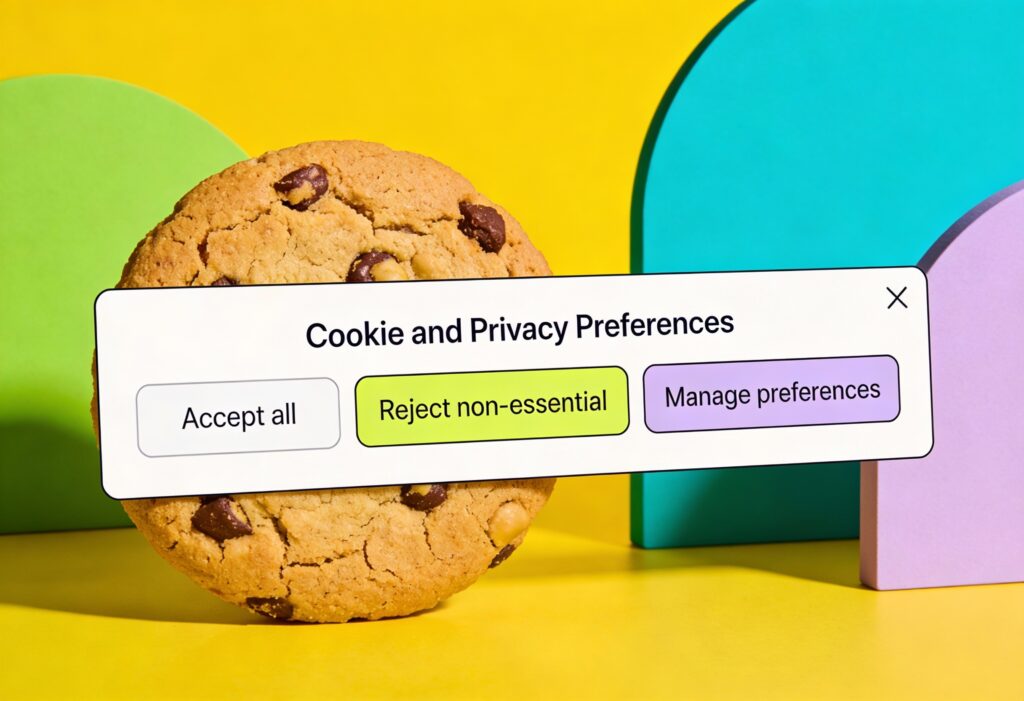
When someone first clicks on a link to a website, they’re immediately asked for data consent before the content even loads, making these requests the first meaningful interaction a user has with a website design. The user is asked to make important decisions about tracking, data use, and privacy, which have become key issues for consumers. Too often, those decisions are rushed, unclear, or framed in ways that favour the business over the person.
Good consent design does the opposite. It focuses on helping users make informed choices, not on getting through the interaction as quickly as possible, thereby removing unnecessary friction without putting your potential buyer under pressure. This article explores how to design consent experiences that respect users while meeting legal and product requirements, with a strong focus on ethical UX and practical usability.
Why Transparent Consent Design Matters
How consent is designed affects how people feel about a product from the start. Confusing or biased choices create doubt. Clear, balanced options help users feel that their preferences are taken seriously, making them feel more confident.
The Problem with Dark Patterns in Privacy Flows
Dark patterns shape the behaviour of visitors to your website by making certain decisions easier than others. In privacy flows, that can include things like pop-ups with pre-checked options, softened language around tracking, or layouts that hide refusal behind extra steps. While this approach can lift opt-in numbers in the short term, it does so by discouraging understanding. Users stop engaging with consent notices altogether, which slowly erodes trust in the product.
There is also a legal risk. Consent that depends on ambiguity or nudging struggles to meet the standard of being freely given and informed. Many organisations now find themselves revisiting consent interfaces after complaints, UX audits, or regulatory scrutiny.
Trust, Compliance, and User Experience
Transparent consent design supports three outcomes at once. It improves usability by making choices easier to understand. It supports compliance by aligning with expectations around clarity and control. It builds trust by showing respect for user autonomy.
This approach reflects a broader UX mindset. As explored in this guide on the difference between web design and UX design, visual appeal alone does not guarantee a good experience. Consent flows require the same depth of thinking as onboarding, navigation, or checkout journeys.
Principles of Ethical Consent UX
Ethical consent UX focuses on helping users understand what is happening and why, without pressure or distraction.
Clarity Through Plain Language
Most users do not read privacy policies in detail. That makes the language used in consent interfaces even more important. Plain language allows people to understand their options quickly and accurately.
Avoid abstract phrases or marketing-led descriptions. Instead of vague statements about improving experiences, explain what the data is used for in concrete terms. For example, analytics cookies measure how pages are used, while marketing cookies enable personalised advertising.
Clarity also depends on visual readability. Adequate font size, spacing, and colour contrast help users scan information without strain. Consent banners often appear at moments of cognitive load, so reducing effort matters.
Balanced Options and Granular Controls
Genuine user choice requires balance. Accepting and rejecting tracking should feel equally valid. Buttons should carry similar visual weight, and refusal should not be hidden behind links or secondary screens.
Granular privacy controls help users make informed decisions. Grouping consent options by purpose allows people to agree to what they understand and decline what they do not. Avoid bundling unrelated purposes together, as this undermines clarity.
Granularity should not create overload. Each option needs a short, clear explanation and a sensible default. The aim is to support understanding, not overwhelm users with complexity.
Making Consent Reversible and Easy to Change
Consent should never feel final. Users change their minds, and ethical UX allows for that. Privacy settings should remain accessible after the initial decision, not locked away or hidden.
A visible link in the footer or account area allows users to revisit and adjust preferences at any time. This reduces pressure during first contact and reinforces trust over time.
Reversibility also signals respect. When users know they can change settings later, they feel less manipulated and more confident in their choices.
Designing Layouts That Promote Genuine Choice
Layout decisions shape behaviour, even when the text itself is neutral. Ethical consent design pays close attention to structure and hierarchy.
Avoiding Coercive Visual Hierarchies
Visual hierarchy should guide attention without steering outcomes. Problems arise when one option dominates through colour, size, or placement.
Acceptance and rejection actions should appear side by side with equal prominence. Avoid bright primary colours for acceptance paired with muted or text-only refusal options. Colour contrast should support readability, not persuasion.
Spacing also plays a role. Crowded layouts encourage rushed decisions. Balanced spacing invites users to pause and read.
Grouping Options Logically
Logical grouping reduces confusion and supports accessibility. Analytics, personalisation, and marketing serve different purposes and should be presented as distinct sections.
Clear headings and short descriptions help users scan and understand the structure. This also improves navigation for screen readers and keyboard users.
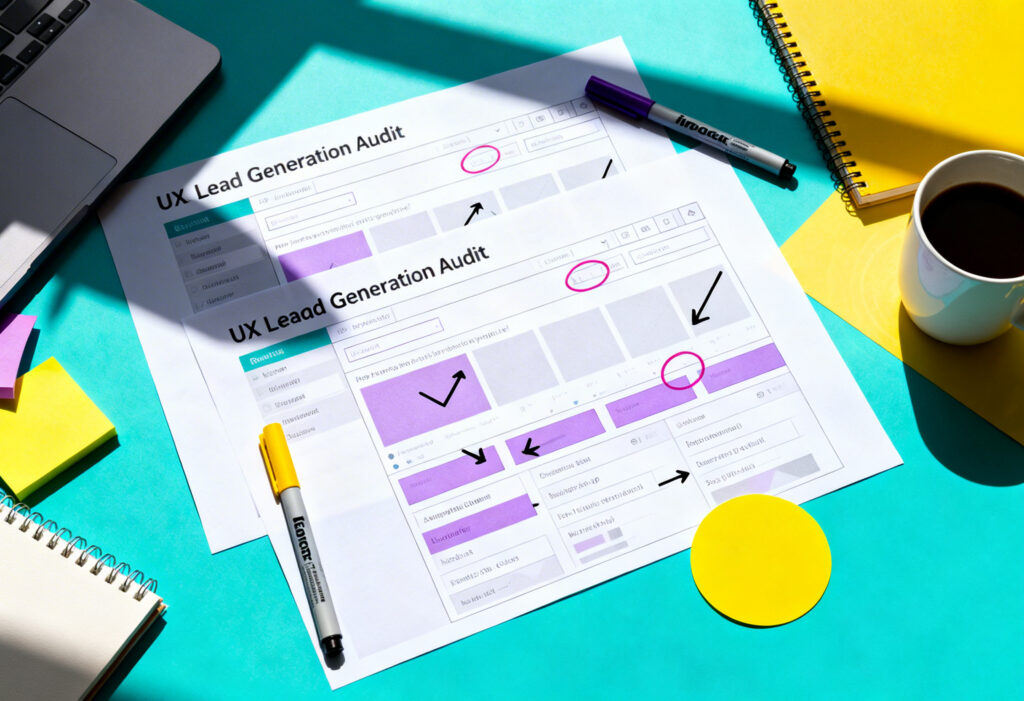
Many teams uncover issues in grouping and hierarchy during structured reviews. A comprehensive UX audit can highlight where consent layouts unintentionally bias choices or confuse users.
Showing Purpose and Duration Clearly
Users want to know why data is collected and how long it is retained. Purpose and duration provide context that supports informed consent.
Avoid vague timeframes. If data lasts for a session, say so. If it is stored for months or years, explain why. Transparency here reduces suspicion and supports long-term trust.
Measuring the Quality of Consent
Ethical consent design requires different success measures from traditional conversion-focused UX.
Evaluating Understanding and Satisfaction
High acceptance rates do not automatically indicate good consent design. They may simply reflect pressure or confusion.
More meaningful indicators include time spent reviewing options, changes to preferences over time, and feedback from usability testing. These signals show whether users understand their choices and feel comfortable with them.
Surveys and interviews can also reveal whether users feel respected and informed. These insights often lead to improvements in language and layout that numbers alone would miss.
Understanding user motivations plays a role here. Designing with user personas in mind helps ensure consent flows address real concerns rather than assumptions.
Metrics That Support Ethical Growth
Ethical UX still supports business outcomes, but through trust rather than manipulation. Metrics such as reduced support queries, lower bounce rates, and stronger long-term engagement reflect healthier relationships with users.
Consent experiences that respect autonomy often perform better over time. Users who trust a platform are more likely to return and engage meaningfully.
Implementing Consent UX in Practice
Principles only matter when they translate into real systems and workflows during the UX design process.
Real-World Examples of Transparent Consent Design
Effective cookie consent design often follows a layered approach. A short summary introduces the choice, while deeper detail remains accessible without cluttering the interface.
Clear labels, neutral language, and balanced actions create a sense of fairness. Users feel guided rather than pushed.
Teams managing multiple sites or clients often rely on consistent frameworks. Web design & development services can support scalable, compliant consent systems without sacrificing clarity or customisation.
How to Document and Record Consent States
Recording consent accurately protects both users and organisations. Systems should log choices clearly and update them whenever users make changes.
Documentation needs to align with privacy policies and backend behaviour. Any mismatch between what users see and what the system records undermines trust and compliance.
Regular reviews help ensure consent records remain accurate as features evolve. Consent should be treated as a living system, not a one-off task.
Ethical User Consent Design as a Long-Term Product Strategy
Ethical consent design and business growth are not opposing goals. When users trust how their data is handled, they are more likely to engage, return, and recommend a product. Short-term gains from dark patterns rarely outweigh long-term damage to credibility.
By focusing on genuine user choice, clear privacy controls, and measurable understanding, web development teams can create consent experiences that support both compliance and sustainable growth. Good consent design pays off quietly, over time, in stronger user relationships.
If your current consent experience feels rushed, unclear, or overly aggressive, it may be time for a rethink. If you would like help designing transparent, compliant consent flows that respect users and support your product goals, speak to our team and get the ball rolling on your UX and web design project today!