
If you’ve ever wondered why some websites seem to gather leads so easily while others struggle, the difference often comes down to landing page design. A lead capture page is not a homepage, nor is it a blog post. It is a dedicated space created to guide a visitor toward one goal: filling in a form and becoming a lead. When these pages are built with intention, they can dramatically increase conversions. Yet many small businesses skip them, relying instead on generic web pages that don’t encourage action.
The good news is that you don’t need to be a web expert to create a strong lead generation landing page. Whether you’re using WordPress, Laravel, WooCommerce, or working with a white label web development team, the principles remain the same. In this guide, you’ll learn what makes a good lead capture page and how to build one that consistently delivers results.
What is a Lead Capture Page?
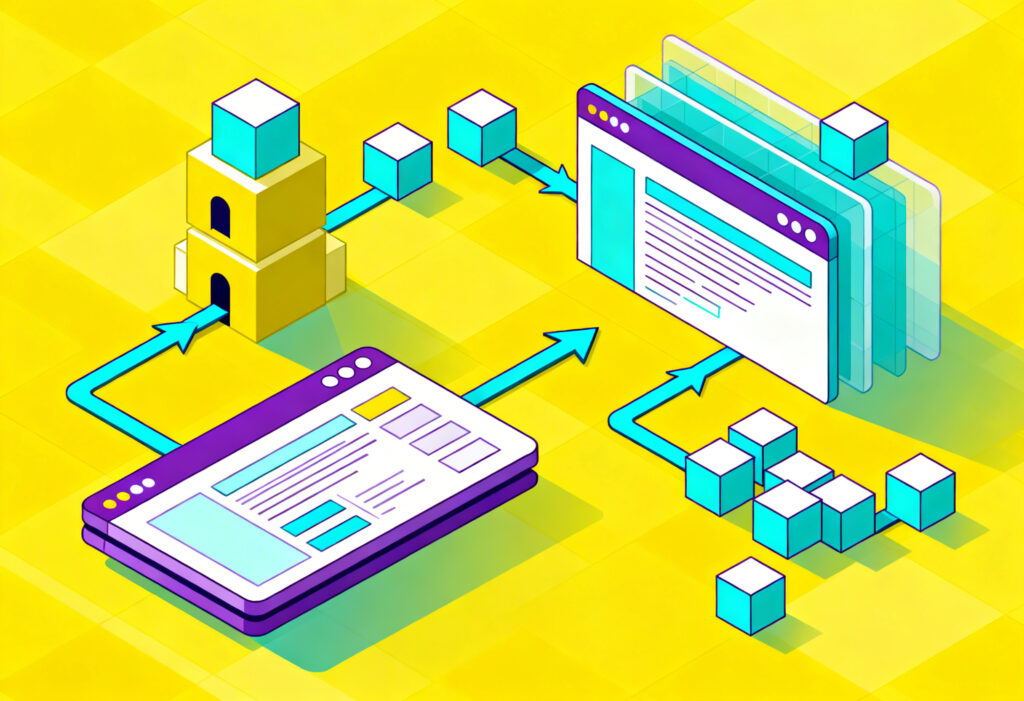
A lead capture page, sometimes called a lead generation landing page, is a single page focused on encouraging visitors to share their details. Unlike other website pages that may promote multiple products or services, this page has just one purpose: increasing conversions. The entire design and copy are centred on convincing the visitor to complete a lead capture form.
What is a Lead Capture Form?
A lead capture form is the interactive element where users enter their information. This could include a name, email address, or phone number. In some cases, businesses also ask for company details or service preferences, but the most successful forms keep fields to a minimum. Visitors are more likely to engage if the form is quick, simple, and provides something of value in return.
Why Lead Capture Pages Work
Research shows that businesses using targeted landing pages convert more visitors into leads than those relying solely on their main site. According to Unbounce, dedicated lead generation landing pages can achieve conversion rates far higher than standard website pages because they remove distractions and focus the visitor on a single outcome. When designed properly, a lead capture page simplifies decision-making and guides people directly toward completing the form.
How to Create a Lead Generation Landing Page
No matter what platform you use, whether its WordPress, Laravel, WooCommerce, or a white label web development framework, the steps to creating an effective lead capture page remain consistent.
1. Start with a Clear Goal
Every strong landing page is built around a single, simple purpose. Start by focussing on what it is you want the person to do, whether it’s to book a consultation, subscribe to a newsletter, or buy a product, and let that decision shape the design.
2. Write a Headline that Grabs Attention Immediately
A headline should answer the visitor’s first question: what’s in it for me? “Start Your Free Trial Today” is clear, concise, and highlights the gain. Keep it direct, relevant, and benefit-focused.
3. Keep the Design Simple
People understand faster and are more likely to respond positively when they can see what they will receive. Show your team, use real customer photos, or include a short clip explaining the benefit. These details create credibility and value, and often encourage more people to complete the form.
4. Use Persuasive Copy
Supporting text should make your offer clear and valuable without overwhelming visitors. Keep it short, use plain language, and focus on benefits rather than technical details. Break content into short paragraphs or bullet points so it’s easy to scan. The goal is to reassure people quickly that completing the form is worth their time and effort.
5. Add Visuals That Support the Offer
Images, illustrations, or short videos can make your offer feel more tangible. Show a mock-up of a downloadable guide, a screenshot of software, or a photo of your team. Authentic visuals build trust and encourage conversions.
6. Optimise the Lead Capture Form
Since the form is where the conversion happens, it needs careful attention:
- Ask only for the essentials.
- Keep labels clear and simple.
- Position the form where it’s immediately visible.
- Use strong call-to-action buttons such as “Get My Free Trial” rather than “Submit.”
7. Provide an Incentive
Visitors are more motivated when they see clear value. That might be a discount on their first purchase, a whitepaper tailored to their industry, or one-to-one advice. The reward should feel meaningful, connect with your visitor’s goals, and be specific to your audience.
8. Add Social Proof and Trust Signals
Testimonials, reviews, or logos from clients build credibility. Even a simple privacy reassurance such as “We never share your details” can reduce hesitation and improve conversion rates.
9. Use Microinteractions to Improve Engagement
Small design details can make a big difference in how users interact with your lead capture page. Website microinteractions are subtle animations or responses that happen when a visitor takes an action, such as hovering over a button or typing into a form field. While they might seem minor, they provide feedback, guide behaviour, and make the experience feel smoother.
On a lead generation landing page, microinteractions can play several roles:
- Form validation: Display a tick or a colour change when a visitor correctly fills in a field. This reassures them that they are completing the form properly.
- Button feedback: Add a hover effect or a brief colour change when users move over or click the call-to-action button. This makes the action feel responsive and encourages follow-through.
- Progress indicators: For multi-step forms, a progress bar or subtle animation helps users understand how much is left, reducing drop-offs.
- Subtle animations: A gentle slide-in of the form or a small pulse on the call-to-action button can draw attention without distracting from the main goal.
When used thoughtfully, these details create a sense of professionalism and improve usability. They help keep users engaged and confident in completing the form, which directly impacts conversion rates.
10. Optimise for Mobile
With 64.35% of internet traffic now coming from mobile devices (a number that is constantly growing), your page must display correctly on smaller screens. Make sure buttons respond well to touch, forms adapt neatly to smaller screens, and all written content is legible at a glance.
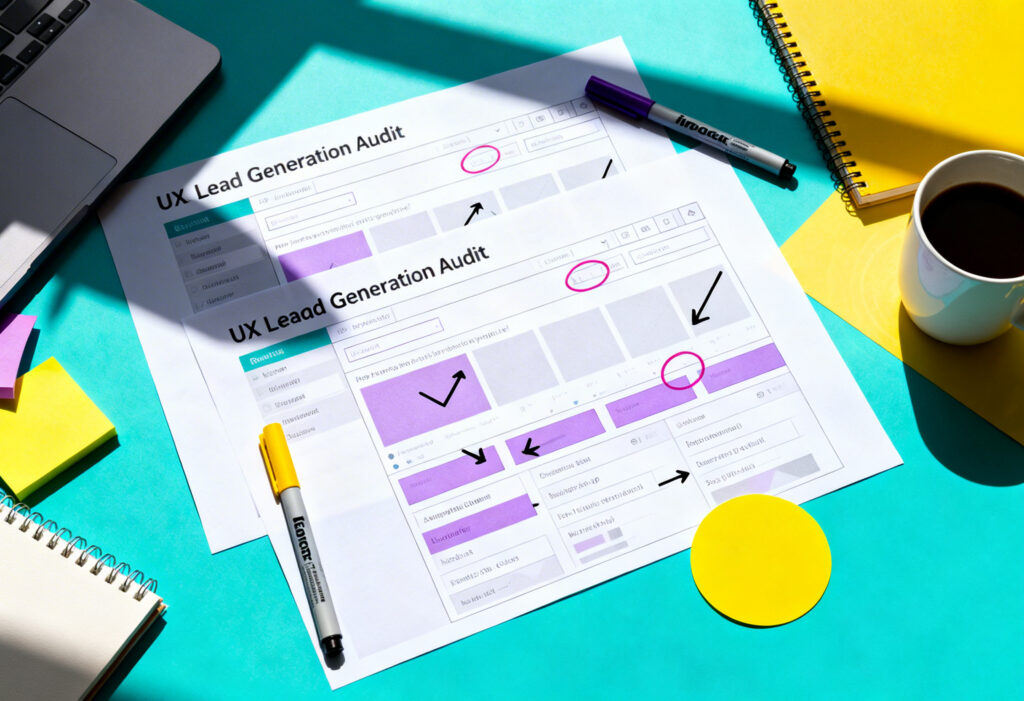
11. Test, Measure, and Improve
Launching a page is only the first step. Use analytics tools or built-in reporting to track how visitors engage with the page. Run A/B tests to compare headlines, button styles, or images. Even small adjustments can lead to significant increases in conversions.
Common Mistakes That Reduce Conversions
Many businesses unknowingly make errors that lower their results. Common pitfalls include:
- Asking for too much information in the form.
- Using generic headlines that don’t highlight the value of the offer.
- Overloading the page with multiple calls to action.
- Ignoring mobile optimisation.
- Failing to test different versions of the page.
Being aware of these mistakes allows you to avoid them and build a page that performs better.
Tools and Platforms That Can Help
Creating a high-performing lead capture page doesn’t require advanced development skills. Depending on your platform:
- WordPress: Plugins like Elementor, Beaver Builder, and Thrive Architect provide drag-and-drop functionality for building landing pages.
- WooCommerce: Extensions allow you to create product-specific lead capture forms or pages for promotions.
- Laravel: Developers can build fully customised pages with precise control over design and functionality.
- White Label Web Development: Agencies often offer white label services, meaning they design and maintain landing pages for businesses under the client’s brand.
Choosing the right option depends on your resources, budget, and technical expertise.
Bringing Everything Together
A lead capture page works because it is designed with focus. It strips away unnecessary content and directs attention to a single action. Regardless of what platform you’re using or if you’re making lead capture pages part of your website redesign, the foundations remain the same: clear goals, simple design, persuasive copy, and a streamlined lead capture form.
Investing time into testing and improving your page ensures it continues to generate results long after launch. The more you refine the page, the more effective it becomes at converting visitors into leads.
Ready to Build a Website that Gets the Best Results?
At Yellowball, we create high-performing websites in WordPress, Laravel, and WooCommerce, with white label development available for agencies. Our focus is on designs that captivate and convert. Get in touch today to start capturing more leads for your business. Let’s get the ball rolling!