
If you’re a marketing manager working with web design or SEO teams, understanding the structure of a website is foundational to developing a great product. It affects everything from how users navigate your site to how Google indexes and ranks your content. A smart website structure is a business tool, and when done well, it helps connect the dots between visibility, user journey, and conversions.
In this guide, we’ll unpack exactly what site structure means, why it matters, and how to plan a high-performing site layout that supports your brand’s marketing goals.
What Is Website Structure?
When we talk about website structure, we’re referring to how your content is arranged and connected across different pages, guiding people through your site and helping search engines understand how everything fits together. Rather than thinking about colours or fonts, this is about the behind-the-scenes layout where you focus on what links to what, how information is grouped, and how users move from one place to another.
A good structure keeps things simple. Visitors know where to go, pages are easy to find, and search engines can crawl your content without missing anything. When it’s done well, your site works like a well-organised shop where everything is visible and follows logical sense, rather than having the bananas next to the bathroom cleaner or the eggs by the hardware section
This structure includes things like:
- The main navigation and drop-down menus
- Website URL structure and format
- Internal links between pages
- Page categories and content silos
- Your sitemap and crawl paths
When we talk about website hierarchy structure, we’re usually referring to a tree-like model, starting with your homepage and branching into primary category pages, then sub-pages.
But not every site uses the same format, and how you organise your pages has a big impact on the web development framework you choose as well as how your site works, how it’s crawled, and how people use it.
Different site structures suit different needs, so choosing the right one depends on what your business is trying to achieve.
Hierarchical Structure (Tree Format)
This is the go-to layout for most business sites. Picture it like a family tree, with your homepage at the top, branching into key sections like About, Services, Blog and Contact. Each of those sections can then split into more specific sub-pages relevant to the page further up the branch.
It’s simple, logical and user-friendly. Visitors can easily find their way around, and search engines can follow the structure to index content properly. It also makes internal linking more powerful, helping your most important pages support the others — which is exactly what you want for strong site structure SEO.
Use it for: Corporate sites, service businesses, ecommerce stores, blogs
Flat Structure
Here, all pages sit at the same level, with minimal or no nesting. It reduces the number of clicks needed to reach any page. While this might sound appealing, it can quickly become chaotic for larger sites and lacks the content signals Google relies on.
Use it for: Small sites, campaign microsites, landing page-based designs
Silo Structure
This approach groups related content into distinct “silos” or topic clusters. Each silo has a pillar page supported by related pages that link back to it. For example, a digital marketing agency might have separate silos for SEO, PPC, and content strategy.
Silos are one of the best site structures for SEO, helping search engines understand content depth and topic relevance.
Use it for: Content-heavy sites, SEO-focused strategies, resource libraries
Database-Driven or Dynamic Structures
These structures come into their own when you’re dealing with hundreds or even thousands of changing pieces of content like products on an online store, listings on a property site, or jobs on a recruitment platform. Instead of relying on static pages and menus, the site pulls content from a database and displays it based on what the user is searching for or filtering.
Use it for: eCommerce websites, classifieds, booking systems
Why Website Structure Matters
A well-structured website does more than keep things neat and tidy. It impacts core performance areas including:
SEO
Search engines don’t guess their way through your site. They rely on clean URLs and clear linking to find pages, figure out what they’re about, and decide how they all fit together so that they can rank them in terms of relevance when a person types in a query. A solid website hierarchy is critical for SEO because it helps Google understand which pages matter most, with top-level pages passing weight down the line. But if your structure’s a mess, it doesn’t matter how good your content is because it’s too buried to notice.
User Experience
Users rely on consistent menus, breadcrumbs, and page groupings to find what they need, making UX design a critical component of web structure. A confusing or cluttered site structure leads to frustration, high bounce rates, and lost conversions.
Clear website page structure also supports accessibility, making content easier to navigate for everyone.
Conversions
When pages are logically grouped and easy to navigate, users stay longer and move through your intended journey. This reduces friction and supports conversion goals — whether that’s booking a consultation, making a purchase, or downloading a resource.
Website Structure Examples
Here’s how thoughtful website structure works in practice, with real examples from Yellowball projects.
1. Ballet With Isabella
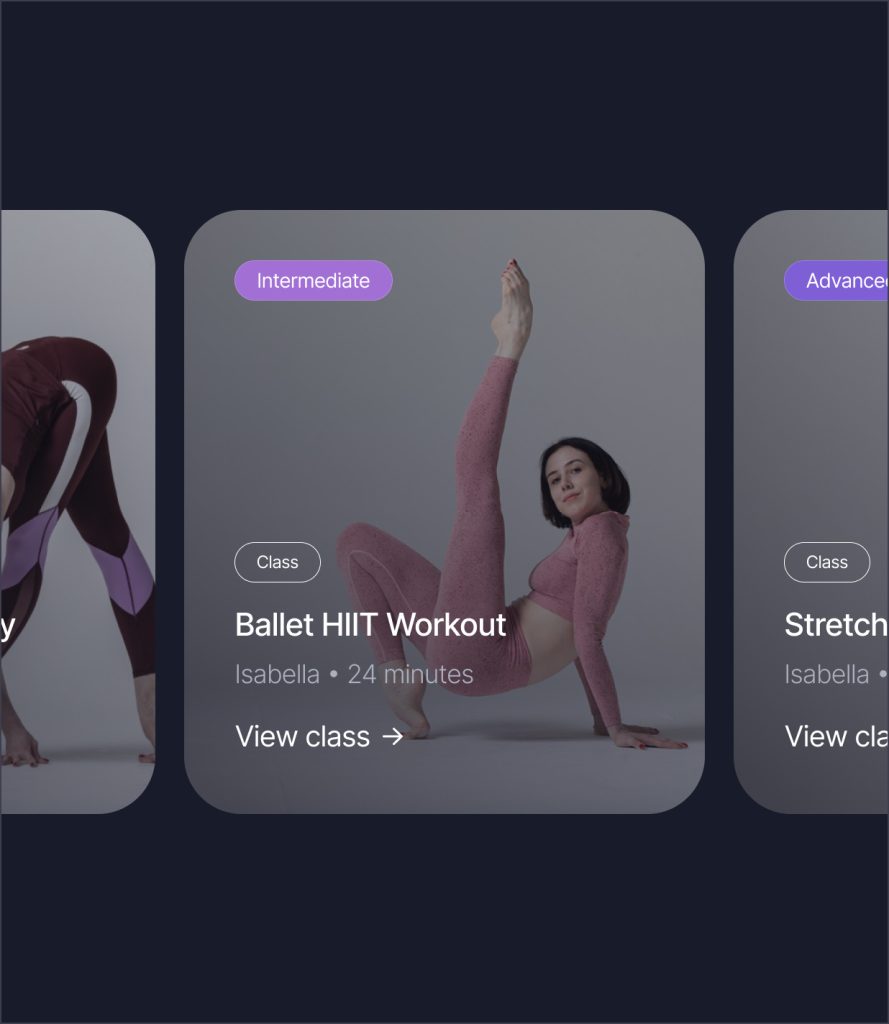
This site is built around two clear user journeys: learning about online ballet classes and signing up for a course. The homepage leads straight into level-based categories (beginner, intermediate, advanced), with supporting content like FAQs, class descriptions, and testimonials branching from there. The structure reflects the mindset of the user — curious, then committed.
Homepage
• Intro to Isabella and the method
• Overview of online ballet training
• Call-to-action to explore courses
About
• Isabella’s Story
• Teaching Style
• Ballet Journey
• Method and Approach
Online Ballet Courses
• Beginner Ballet Course
• Intermediate Ballet Course
• Advanced Ballet Course
• All Access Membership
• Course Previews and Details
Blog
• Ballet Tips
• Technique Advice
• Mindset & Motivation
Testimonials
• Student Stories
• Reviews by Skill Level
FAQs
• Membership Info
• Class Format
• Technical Requirements
Contact
• Contact Form
• Links to Social Media
Member Login
• Login Portal
• Access to Purchased Courses
2. SMMT
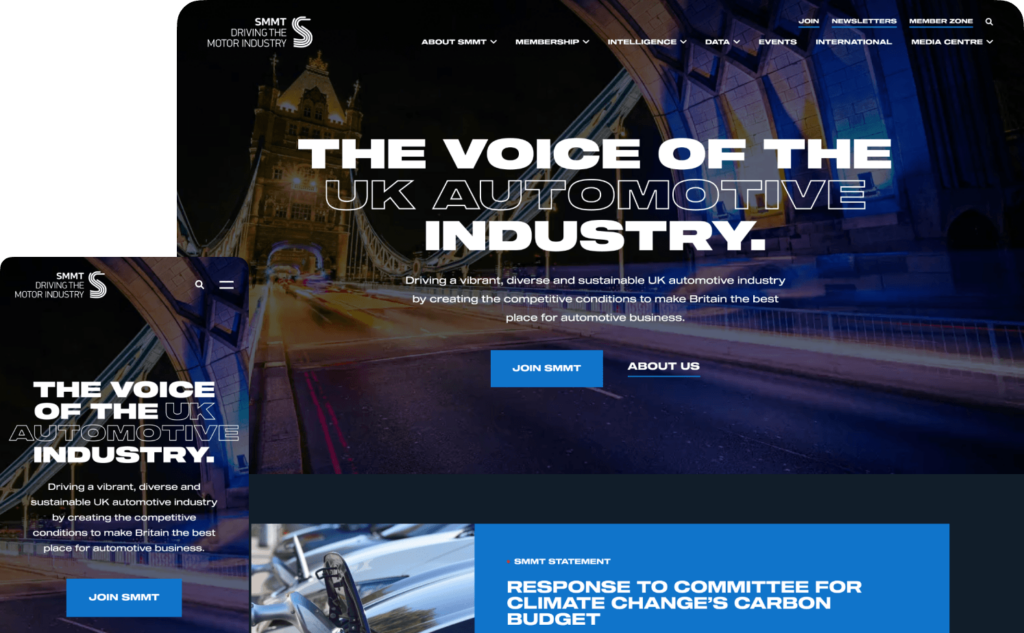
SMMT has a lot to say, from industry guidance and events to member services and news. The challenge was making sure everything stayed organised without overwhelming the user. We created a clear site hierarchy with key sections for each core area, supported by subpages and regular updates. The internal links tie everything together, making it easy to move between related topics and helping search engines see how the content is connected and how it can connect to search queries.
Homepage
• Latest News
• Industry Topics
• Key Resources and Quick Links
About Us
• Who We Are
• Our People
• What We Do
• SMMT Membership
• SMMT International
• Contact
Membership
• Join SMMT
• Member Benefits
• Directory of Members
• Member Login
Events
• Upcoming Events
• International Events
• Webinars and Recordings
• Event Resources
Sectors
• Vehicle Manufacturers
• Aftermarket
• Supply Chain
• Connected and Automated Mobility
• Commercial Vehicles
• Powertrains
• EV and Battery Production
Media
• News Releases
• Speeches and Statements
• Image Library
• Publications Archive
Reports & Publications
• Industry Reports
• Data and Research
• Economic Forecasts
• Policy and Position Papers
• Environmental and EV Reports
Policy and Legislation
• UK Automotive Policy
• Trade and Export
• Regulation and Standards
• Sustainability and Net Zero
Careers and Skills
• Careers in Automotive
• Skills and Training
• Diversity and Inclusion
Search
• Site-wide Search Function
3. Pure Sports Medicine
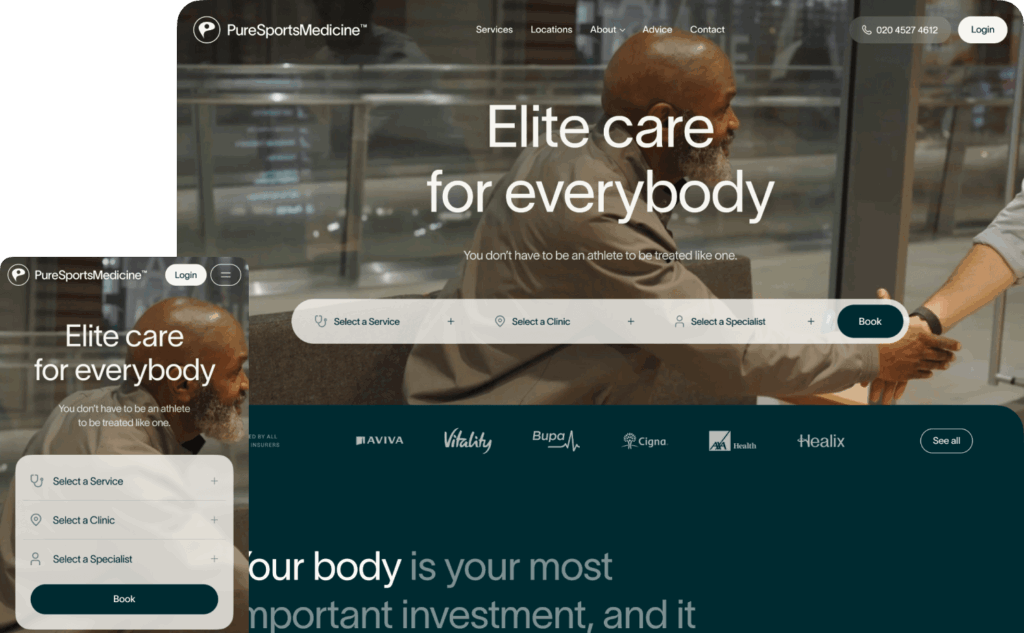
Pure Sports Medicine is a group of London clinics focused on helping people stay active, recover from injury and move with confidence. From physiotherapy and rehab to specialist medical care, the site is built to help visitors find the right support without any confusion. Information is organised clearly by symptoms, treatments, clinic locations and practitioner expertise, so people can quickly get to what they need.
Behind the scenes, the structure is thoughtful and well organised. Pages are grouped by topic, making it easy for search engines to crawl and for patients to explore related services. It’s a strong example of how good structure and useful content can work together.
Homepage
• Intro to Clinics and Services
• Popular Treatments and Conditions
• Book an Appointment CTA
• Latest Articles and Insights
Conditions & Injuries
• Back Pain
• Knee Injuries
• Shoulder Pain
• Running Injuries
• Tendinopathy
• Post-Surgery Recovery
• Sports-Specific Injuries
Treatments & Services
• Physiotherapy
• Sports Medicine
• Osteopathy
• Diagnostic Ultrasound
• Shockwave Therapy
• Strength & Conditioning
• Clinical Pilates
• Women’s Health
Our Experts
• Meet the Team
• Specialists by Discipline
• Practitioners by Clinic
• Search by Name or Area of Expertise
Clinics
• Locations Overview
• Bank
• Chancery Lane
• Kensington
• Moorgate
• St Paul’s
• Wimbledon
Insights
• Advice Articles
• Injury Prevention
• Training Tips
• Patient Stories
About Us
• Who We Are
• Approach to Care
• Referral Partners
• Careers
Book Now
• Booking Portal
• New Patient Information
• Contact Options
How to Plan a Website Structure
Planning your website’s structure is like planning a new house. The initial design should be one of the first things you do, not something you figure out along the way. Whether you’re starting from scratch or giving your current site a proper overhaul, getting the structure right first makes everything else work better and feel more natural.
Step 1: Map Your Pages
Grab a whiteboard, open a spreadsheet, or use a simple online tool to sketch out your pages and a website structure diagram. Start with the essentials like your homepage, about page, services, blog, and contact. From there, break things down further. Do your services each need their own page? Are there categories within your blog? What resources or extras would be helpful for your visitors? This step is about laying everything out in front of you, so nothing important gets lost later on.
Step 2: Group Pages That Belong Together
Once you’ve listed your pages, group them into meaningful sections. If you’ve got three main services, give each one its own space with a dedicated page. Then build around it. Think about what else your audience might want — a related blog post, some common questions, or a case study that shows the results. These extras aren’t just filler, they give people more to explore and help Google connect the dots between your content and what people are looking for.
Step 3: Sketch Out Your Structure Visually
Drawing out your site structure visually gives you a clear view of what’s really going on. Whether you use GlooMaps, Slickplan, Figma or just pen and paper, mapping out your pages and how they connect makes it easier to spot what’s missing, what’s repeating itself and where things feel a bit too light. It’s like laying all your content cards on the table before you start building. Plus, it helps your team all stay on the same page before you jump into writing copy or designing layouts.
Step 4: Tidy Up Your URLs
Your URLs should tell both users and search engines where they are and what the page is about. Stick to clean, simple formats that reflect your site’s structure.
For example:
www.site.com/blog/plan-your-website-structure/
Avoid random numbers or odd characters. Think clarity over complexity.
Step 5: Use Internal Links with Purpose
Internal links aren’t just for getting from A to B. They help search engines understand what content matters most and how it all connects. Link from high-traffic pages to your most valuable ones, and keep your anchor text consistent and descriptive. Make it easy for users to go deeper into your site without hitting dead ends.
Structure and SEO Go Hand in Hand
The way your site is organised shapes how search engines read it and how people move through it. If the structure is too flat or disjointed, even the most useful content can slip through the cracks. A clear layout gives your content the best chance to be found, understood and ranked.
Here’s how to keep SEO in mind as you build:
- Organise content into themed clusters around core pages
- Reinforce your site’s structure with breadcrumbs and internal links
- Make sure every page is connected, with no isolated content
- Keep key content no more than three clicks from the homepage
- Use navigation that mirrors real keyword patterns and topics
This is what a best practice SEO structure for website performance looks like. It’s not about cramming in keywords or trying to game the system. It’s about building something that makes sense — for search engines and the people using your site.
Website Structure Analysis
Just because your site structure is up and running doesn’t mean the job is done. It’s worth checking in regularly to see how things are holding up.
Tools like Google Search Console, Screaming Frog and Sitebulb can help you take a closer look at how your pages are performing, how users are moving through the site and whether anything’s been missed. A quick website and SEO audit now and then can reveal issues like broken links, duplicate content or pages that aren’t being linked to at all.
It’s all about keeping things tidy behind the scenes so your site stays easy to navigate and easy to find.
Look for issues like:
- Pages with no internal links
- Long or confusing URLs
- Too many levels between homepage and content
- Broken links or redirect chains
Regular audits reveal how well your structure is working and where improvements are needed.
Best Practice Tips for Keeping Your Website Structure in Shape
As your website grows, the structure can get messy and overly complicated if it isn’t maintained. Here are some of our team’s best practices that every website should follow:
- Keep your main navigation focused. Five to seven items is usually enough to guide people without overwhelming them.
- If you’re using dropdown menus, keep them clean and easy to follow. Visitors should know what to expect when they click.
- On sites with deeper levels, breadcrumbs make life easier. They show people where they are and how to get back.
- Every page should have a clear purpose and its own title. If it doesn’t, ask yourself if it really needs to be there.
- Update your sitemap whenever content changes. It helps search engines find and crawl new pages faster.
- Check that your site works just as well on a phone as it does on a laptop. Navigation needs to be smooth on every screen.
- Watch out for duplicate content. If two pages are saying the same thing, combine them or cut one.
- Think about how people move through your site. A good structure follows the journey, not just the content categories.
Website Structure is a Growth Tool
Planning how to structure a website is as much a technical task as it is a marketing decision. It’s a way to shape how people find you, how they understand your offer, and how they move through your site. Ignore it, and you risk leaving visibility and revenue on the table.
But get it right — with the right blend of UX web design, content strategy, and SEO expertise — and your website becomes one of your most valuable assets.
Want help building a better structure for your site? It’s time to get the ball rolling! Chat to the team at Yellowball and let’s map out your next high-performing website together.