
If you have been working on your website but feel like competitors are always one step ahead in Google search results, you are not alone.
Business owners can find SEO confusing because there are so many factors at play. One of the most effective ways to cut through the noise is to take a close look at what others in your industry are doing. An SEO competitor analysis gives you a chance to see what works in real-world search results, rather than guessing which tactics might make a difference.
The process starts with something as simple as typing a keyword into Google and noting which websites appear. From there, you can look in detail at their content, structure, backlinks, and design. You might find patterns that explain why they rank well. For example, they might publish more detailed guides, have better structured product pages, or gain links from local directories.
This does not mean copying what they do. It means identifying where you can do better and applying those insights to your own site. By the end of this guide, you will know how to do an SEO competitor analysis and how to implement it within your own strategy.
What Is Competitor Analysis in SEO?
SEO competitor analysis is the process of identifying who your online competitors are for your target keywords, and gaining an understanding of their SEO strategy, where they’re succeeding and how.
The goal is to understand why search engines reward them and to apply that knowledge to your own strategy.
This involves examining:
- Which keywords they rank for
- How their content is structured
- The quality of their technical SEO
- Their backlink profile
- User experience and design choices
An SEO competitor analysis report can reveal gaps and opportunities. For example, you may notice that your competitors are targeting relevant keywords that you hadn’t considered, or that they earn backlinks from local directories you are not listed in.
Step 1: Identify Your SEO Competitors
Your business competitors and SEO competitors are not always the same. A small local business might compete for search visibility against blogs, online magazines, or even international brands.
How to find them without tools:
- Make a list of your most important keywords. For example, a bakery in Manchester might start with “best bakery Manchester” or “artisan sourdough Manchester.” Here’s how to do your keyword research if you haven’t already done so.
- Type each keyword into Google under incognito to remove any personalisation, and note down which websites appear on the first page.
- Repeat this across multiple variations.
With tools:
- Enter your domain into a competitor discovery tool – Semrush’s “Organic Research” or Ahrefs’ “Competing Domains” feature will list websites with overlapping keywords.
- Check keyword overlap percentages – This highlights which sites share the most visibility with you, helping you focus on the competitors that matter.
- Look at traffic estimates – These figures show who is attracting the bulk of organic visitors for your target terms.
- Filter by location – If you run a local business, adjust settings to see competitors’ ranking in your region rather than at a national or global level.
This gives you a clear view of the websites you are actually competing against for search visibility, not just sales.
Step 2: Study On-Page SEO
Once you have your competitor list, the next step is to check how their pages are built.
What to look for:
- Meta titles and descriptions: These give clues about which keywords they prioritise. A free browser extension like MozBar can show the metadata of a page.
- Headings: Scan H1 and H2 tags to see how they structure content.
- Content depth: On their transactional pages and blog posts, do they write 500 words or 2000? Are they using FAQs, bullet points, or case studies?
- Internal linking: Notice how they link between blog posts or product pages.
By reviewing this, you can see patterns. For example, if three of your competitors all include detailed FAQs, it suggests that search engines and users value that format.
For more guidance, see this breakdown of SEO in web design.
Step 3: Analyse Content Themes and Keywords
Competitors can reveal which topics and keywords are worth targeting.
Without tools:
- Look at their blog or resource pages. Which topics do they cover repeatedly?
- Type their brand name into Google and scroll through the “People Also Ask” section for related queries.
- Use Google’s autocomplete to spot keyword variations.
With tools:
Platforms like Semrush allow you to see the exact keywords your competitors rank for. This helps you identify gaps in your own content strategy. For example, a café might notice that a rival ranks for “gluten-free breakfast Manchester,” which could inspire a new page or blog post.
Step 4: Review Backlink Profile
Backlinks can be a valuable SEO technique to help your website build authority. If competitors consistently earn links from reputable sites, it can explain why they rank higher. Studying their backlinks helps you uncover opportunities for your own site.
Without Tools
You can check backlinks manually, but the results will be limited unless you are looking at a very large company that has widespread coverage. Still, it can provide useful clues. Try these methods:
- Search for their brand name in quotes – typing “brand name” into Google will surface mentions across the web. You can then click through to see if the mention includes a clickable link.
- Check their “Press” or “News” page – some businesses showcase collaborations, media coverage, or partnerships, which can point to backlink sources.
- Manually review link type – if you want to check whether a backlink is passing equity, right-click on the hyperlink, choose Inspect, and look at the HTML. If the code includes rel=”nofollow”, it means the site has linked without passing authority. Many large publishers use nofollow links, so while the link can still send referral traffic, it will not contribute directly to rankings.
This manual process can be fiddly and is often too time-consuming for beginners, but it’s a good way to get a basic idea of where links are coming from.
With Tools
SEO tools such as Semrush, Ahrefs, and Moz make backlink research far easier and more comprehensive. By entering a competitor’s domain, you can see:
- Full backlink profiles – showing every site that links to them, including whether links are follow or nofollow.
- Referring domains – allowing you to see if competitors are featured in industry blogs, directories, or local news outlets.
- Top-performing content – identifying which pages on their site attract the most backlinks, such as in-depth guides, case studies, or original data. This can inspire your own content strategy by showing the types of material that naturally attract links.
- Authority scores – most tools include a domain or authority metric to help you judge which backlinks are truly valuable.
If you notice several competitors earning links from the same directory or blog, it’s a strong signal that you should consider being listed there too. Similarly, if you see that a certain type of content consistently earns links, such as industry reports or how-to guides, you can create your own version with a unique angle to capture similar attention.
Step 5: Consider Technical SEO
How to Check Basics Without Tools
You can carry out a few simple checks yourself:
- Page speed – Use Google PageSpeed Insights to test how quickly a competitor’s site loads and see which factors might be helping or holding them back.
- Mobile usability – Instead of just resizing your browser window, you can right click on the page, select Inspect, and use the device toolbar at the top of the sidebar. By default, it will show “Desktop,” but you can switch between a range of devices like iPhone or Pixel. This lets you see exactly how the site adapts across different screen sizes.
- URLs – Scan their addresses. Short, descriptive URLs with keywords (e.g. /services/seo-audit) are more user-friendly and favoured by search engines compared to long, messy strings of numbers or characters.
These quick checks can highlight whether technical tweaks would give your site a performance boost.
With Tools
If you want deeper insights, SEO tools can provide a more detailed technical breakdown:
- Site audits – Tools like Semrush or Screaming Frog crawl entire websites and flag errors such as broken links, duplicate content, or missing metadata.
- Mobile-first indexing checks – Platforms like Ahrefs show whether a site is optimised for mobile-first indexing, which Google now uses as its default.
- Core Web Vitals tracking – Tools can measure Largest Contentful Paint (LCP), First Input Delay (FID), and Cumulative Layout Shift (CLS), giving a precise view of the user experience signals Google values.
- Site structure mapping – SEO crawlers can produce visual maps of a site’s hierarchy, showing how efficiently competitors organise content and internal links.
These small checks reveal whether technical improvements could help close the gap.
Step 6: Evaluate User Experience
SEO has become less and less about focusing purely on search engine needs. If a website looks outdated, loads slowly, or is hard to navigate, users leave quickly, which hurts rankings.
Look at your competitor’s design with fresh eyes:
- Is the navigation menu simple?
- Do they use clear call-to-action buttons?
- Are forms short and easy to complete?
Google has said that engagement signals, such as time on site or the number of clicks, do not directly feed into rankings. However, their page experience guidelines note that “other page experience sections can make your website more satisfying to use, which is generally aligned with what our ranking systems seek to reward.”
In other words, design elements may not be direct ranking factors, but they influence the overall experience. A smooth, user-friendly site aligns with the type of content and interaction Google wants to showcase in search results.
This is why studying competitor analysis for a brand-focused web design is valuable. It highlights how thoughtful layouts, clear navigation, and easy-to-use features can support both user satisfaction and long-term SEO performance.
Step 7: Track Paid Campaigns for Insight
Competitor analysis is not limited to organic SEO. Many businesses combine SEO with PPC. By reviewing their ads, you can see which keywords they pay to promote, which often suggests they convert well.
Look at Google search results for your target terms. Do competitors appear with ads? What messaging do they use? This type of review mirrors a PPC competitor analysis and helps you understand the bigger picture.
Step 8: Create an SEO Competitor Analysis Report
After gathering your findings, the next step is to document everything in an SEO competitor analysis report. A good report should include all the essentials, such as:
- Your five main competitors you are tracking
- A side-by-side chart comparison of keywords competitors rank for versus your site
- Key details on where their backlinks are coming from
- Notes on technical elements like speed, mobile design, and site structure
- Standout examples of content and user experience that work well
Your competitor analysis doesn’t need to be overly complicated, and you can get a lot of benefit from the points listed above. The next step is then turning your findings into practical next steps.
Step 9: Translate Insights into Strategy
The last stage is taking what you’ve discovered and putting it into action. That might mean:
- Creating content around topics your competitors have overlooked
- Boosting page speed or making sure your site works seamlessly on mobile
- Targeting the same keywords they rank for, but producing content that’s richer and more useful
- Earning backlinks from the same directories, blogs, or industry sites they use
- Tweaking your layout and navigation so visitors can find what they need with less effort
The goal is never to copy another site. It is about learning what works in your space and adapting it in a way that strengthens your own website.
Additional Steps You Can Take
Want to push your competitor analysis to a deeper level? Here’s what to do.
Check SERP Features Your Competitors Hold
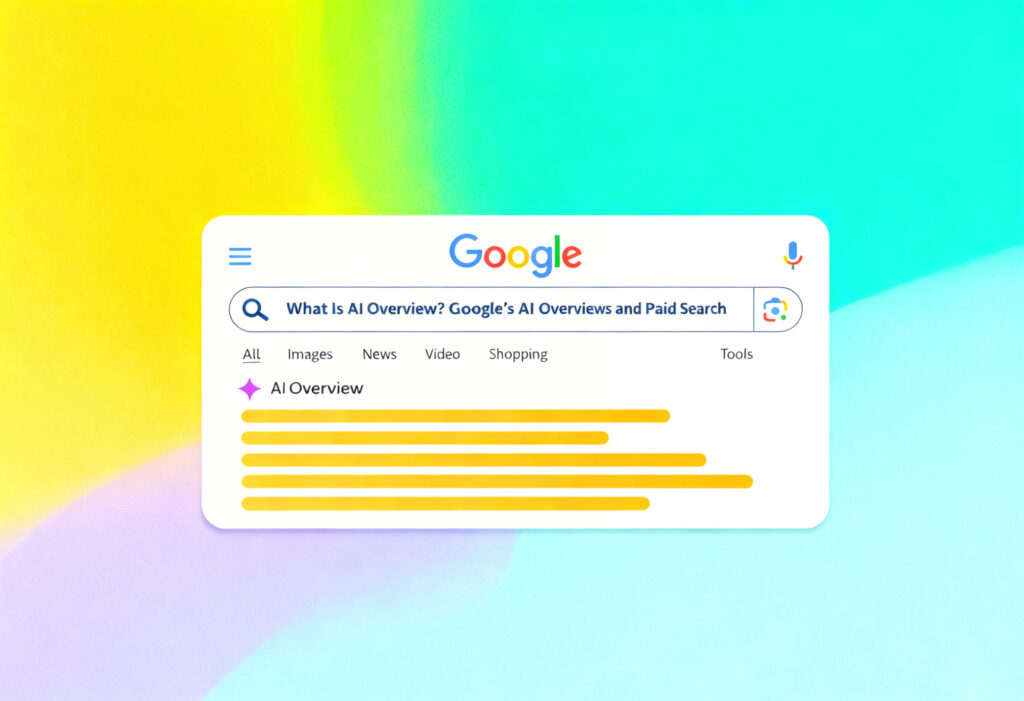
Search results today are not limited to a list of links. Google often highlights content in SERP features such as featured snippets and AI results, “People Also Ask” panels, local packs, or image carousels. These features can push organic results further down the page, so it’s worth making note of if your competitors are appearing in them.
Start by searching your target keywords in incognito and making a note of any additional features on the page. Does a competitor own the featured snippet? Are they listed in the local map pack? Do they appear in image or video results? Each feature represents another way they capture visibility.
If you see competitors frequently showing up in snippets, study the format of their content. Short paragraphs, bullet points, and clear answers to questions can help improve the chance of appearing in AI snippets.
For local packs, review their Google Business Profile and see how they present reviews, opening hours, and services.
By checking SERP features, you go beyond rankings and start to understand how competitors win attention in different parts of the results page. This information can help you adjust your strategy and see where you can capture visibility outside of traditional search results.
Look at Local SEO Signals
For businesses that depend on local customers, analysing competitor visibility in local search results is essential. Even if your website performs well in organic rankings, a competitor with a strong Google Business Profile may capture more clicks simply because they appear in the local pack.
To start, search incognito for your target keywords with a location modifier, such as “plumber in Bristol” or “accountant near Leeds.” Make note of which competitors appear in the map results. Then, check their Google Business Profiles. Do they have recent reviews? Are they posting updates or photos? Is their business information accurate and complete?
Beyond profiles, look at citations. These are listings in online directories such as Yell, Thomson Local, or industry-specific platforms. Search engines favour consistent listings of your name, address, and phone number (NAP) consistent on these directories because it reduces confusion around your business and what you do. If your competitors are listed in places where you are not, it is worth submitting your business too.
Local SEO is often about attention to detail. By studying the small differences in how competitors manage their online presence, you can improve your own visibility for local searches and increase the chance of appearing in both the map pack and organic results.
Evaluate Site Architecture and Navigation
Competitor analysis also looks at the structure of a website, and thorough internal linking can help crawlers discover and assess your content, rewarding you in search results.
Start by looking at a competitor’s main navigation menu. Is it simple and logical, or overloaded with links? Then, check their URL structure. Do they use clean, descriptive URLs like “/services/seo-audit”?
It is also useful to map out how they organise content. For example, an e-commerce competitor may group products into clear categories and subcategories, while your site may bury items deeper in the hierarchy. This makes a difference for both users and search engines.
Internal linking is another element to study. Do they connect blog posts to related services or guides?
By reviewing architecture and navigation, you can spot improvements for your own site. A clear, streamlined structure supports both rankings and a positive user experience, making it easier to compete with sites that already rank well.
When to Use Paid SEO Tools
While you can do a lot manually, paid SEO tools make the process faster and more comprehensive. They allow you to:
- See full keyword lists
- Compare domain authority
- Track backlinks in detail
- Monitor rankings over time
These insights help you move from general observations to precise data. For businesses that want to scale, investing in tools like Semrush can make competitor analysis more efficient and reliable.
From Competitor Research to Action That Puts You Ahead
Learning to do a competitor analysis in SEO gives you a key strategic tool that shows you what already works in your industry and highlights where your website can do better. From keyword targeting to site speed, every detail matters, and competitor insights can help you prioritise the right actions.
The important part is to use this knowledge to strengthen your own position, not simply copy what others are doing. Your website should reflect your unique brand while meeting the technical and content standards that search engines reward.
At Yellowball, we do more than build new websites. Our SEO, copywriting, and content creation services for existing websites focus on refining what you already have. From in-depth audits to advanced AI search optimisation, we help businesses adapt to an ever-changing search landscape. If your site is underperforming, we can uncover the reasons and create a strategy that delivers measurable results. Take a look at our strategic SEO services to see how we can turn competitor insights into real growth, and contact our team to get the ball rolling!