
Most marketing teams ask the wrong question. They ask how to create more content. The smarter question is: What is already on your website that could be generating more enquiries?
If you have a content library, refreshing is often the fastest way to lift leads. You already have indexed pages, authority, and links, and you’re already ranking. A structured content refresh programme can generate incremental enquiries far more quickly than starting from scratch.
This guide will show you what to prioritise, what to change, and how to measure impact. It is process-led, practical, and designed to be operational across a backlog.
Do I need to update my website content regularly, or is it optional?
Short answer: Yes, you do need to update your website content regularly.
Search results shift. User expectations shift. Competitors publish new material. What ranked two years ago may now be outdated or misaligned with intent. This gradual performance drop is known as content decay.
Start by looking at your analytics. If traffic is flat or declining on older pages, if enquiries have slowed, or if rankings have slipped without a clear reason, you are likely seeing decay.
A structured content update cadence protects you from slow erosion. It also strengthens authority over time. In our SEO content strategy guide, we explain how ongoing optimisation compounds results. A refresh strategy is part of that discipline.
Content governance matters here. Without clear ownership and review cycles, pages age quietly. A refresh programme brings control back.
Content refresh. What it is, what it is not, and when it works best
A content refresh is not rewriting everything for its own sake. It is not changing dates and hoping Google notices.
A proper content refresh includes:
- Reviewing intent alignment
- Assessing SERP changes
- Comparing against a competitor refresh
- Updating proof, data, and examples
- Improving on-page optimisation
- Strengthening calls to action
It can include historical optimisation, which means improving the performance of existing pages based on real data rather than assumptions.
Refreshing works best when:
- The page already ranks between positions 5 and 20
- The topic still has demand
- The page has backlinks
- The content partially answers the query but lacks depth or freshness
In our content SEO statistics industry report, we show how small improvements to existing content can drive meaningful gains without the cost of producing net-new content.
If you have 100 articles and 20 of them are underperforming but relevant, that is an opportunity. Done properly, updating and republishing becomes a lead lever, not just a housekeeping task.
What to refresh first? A prioritisation score that marketing teams can run
Not all pages deserve equal effort. You need a simple prioritisation framework.
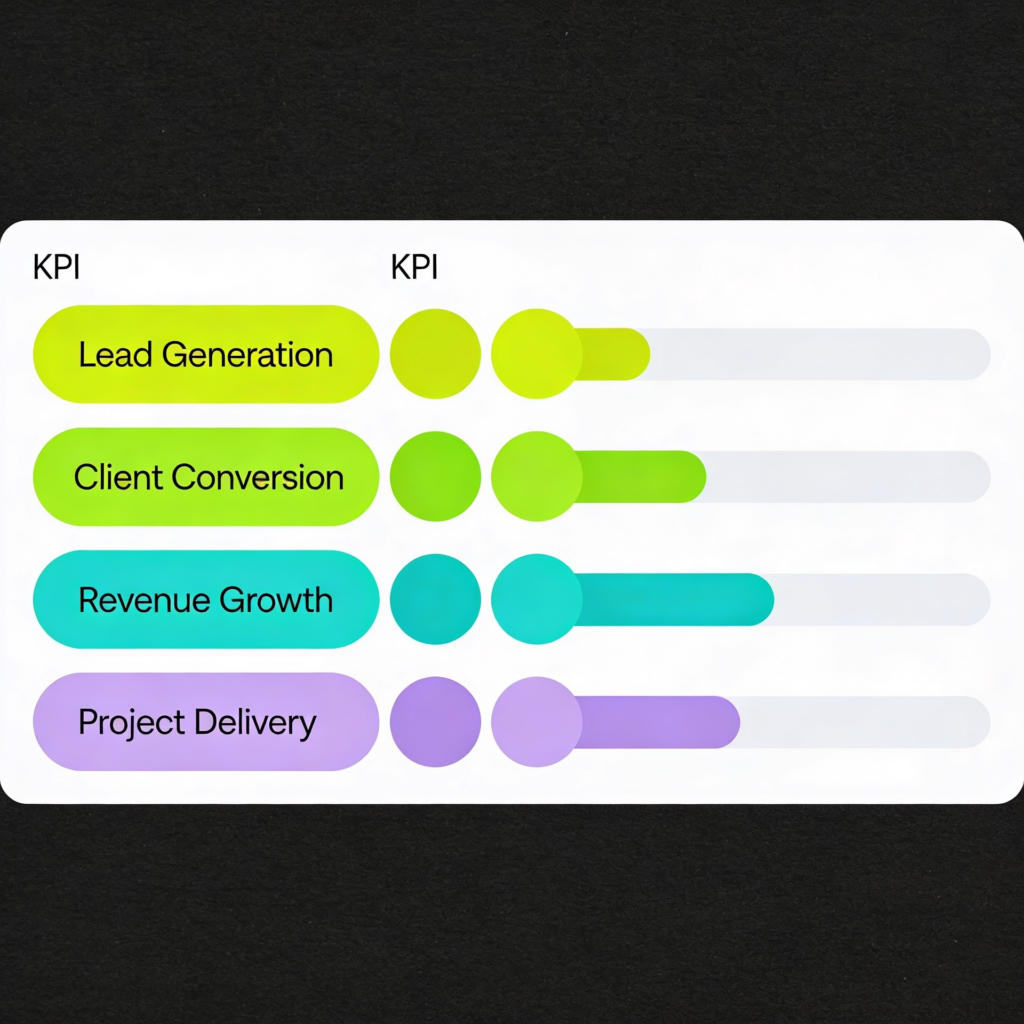
Score each page across four areas:
Traffic potential
Does the keyword still have demand? Are there SERP changes indicating higher competition or new content formats? If the topic still attracts searches, it remains viable.
Commercial intent
Does the page target high-intent queries? A guide with clear service relevance may deserve higher priority than a broad awareness post.
Decay
Has traffic dropped over the past 6 to 12 months? That signals content decay. Compare year-on-year to isolate seasonal effects.
Conversion rate
Does the page drive enquiries? If traffic is steady but conversion is low, you likely need to improve conversion and refresh the call-to-action.
Combine these into a simple score from 1 to 5 per category. Pages scoring high on traffic potential and commercial intent but showing decay should move to the top of your list.
How to update old blog content. A step-by-step refresh process
Now the practical part. Here is how to update old blog content in a way that protects rankings and lifts enquiries.
1. Intent alignment
Search the target keyword manually. Review the top 10 results. What format dominates? Long form guides, checklists, case studies?
Look for an intent shift. If searchers now expect a comparison table or step-by-step list, and your article is opinion-based, you are misaligned.
2. Gap analysis
Run a competitor refresh check. What topics are they covering that you are not? Are there sub-questions in People Also Ask that your article ignores?
This is where building topical authority helps. If you have not read our guide on how to build topical authority, it is worth reviewing to understand how depth across a cluster improves performance.
3. Proof and trust
Update outdated statistics. Add current examples. Include case data where possible. Outdated numbers undermine credibility.
4. Structure and clarity
Tighten headings. Break up dense paragraphs. Improve internal logic. Align with a clean website structure so the article fits clearly within your site hierarchy.
5. Internal links
Run an internal link refresh. Add links from newer pages to the refreshed article. Link from the refreshed article to relevant services and guides. Our internal linking strategies guide explains how this supports authority and crawlability.
6. Update and republish
Once changes are complete, update and republish. Note major updates in internal change logs so you can track what was modified and when.
Refresh outdated blog content. The checklist of what to change on page
Refreshing outdated blog content should be systematic. Here is your on-page checklist.
Titles
Is the title aligned with the current search language? Adjust wording if needed, but avoid unnecessary URL changes.
Headings
Ensure headings match sub queries in the SERP. Add sections if intent requires it.
Examples
Replace outdated tools or case references. Use the current industry context.
Stats
Remove old data points unless they are still relevant. Cite credible sources.
Visuals
Update screenshots, diagrams, or charts. Old interface images signal neglect.
CTAs
This is where many teams miss an opportunity. A call-to-action refresh can produce immediate gains. Add contextual CTAs. Align them with their funnel stage. For service-aligned articles, guide readers to speak with your team.
How often should you update website content? A sensible cadence by page type
How often should you update website content? The answer depends on the page type and the topic’s volatility.
Service pages
Review every 6 to 12 months. Check positioning, proof, and competitor refresh activity. Ensure messaging aligns with current offers.
Guides and blogs
Review annually at a minimum. High competition or fast-moving topics may require six-monthly reviews.
Case studies
Update when results evolve. Add new metrics. Keep proof current.
Define a content update cadence in a shared calendar. Tie it to content governance. Assign ownership. Without accountability, cadence slips.
If you are unsure how to build this into your broader maintenance plan, our beginner’s guide to website maintenance explains how refresh cycles fit into long term site health.
How to update content on a WordPress website without harming SEO
Many businesses run on WordPress. The process is straightforward, but mistakes in SEO updates or SEO migrations can cost rankings.
URLs
Do not change URLs unless absolutely necessary. If you must, implement proper redirects.
Dates
Updating the publish date can signal freshness, but only do this after meaningful changes. Avoid superficial edits.
Redirects
If consolidating similar posts, redirect weaker pages to stronger ones using 301 redirects.
Avoid accidental regressions
Be careful in the WordPress editor not to accidentally remove internal links or structured headings. After publishing, recheck formatting and metadata.
Test page speed and mobile display. A refresh that breaks layout harms more than it helps.
If your website structure is unclear or outdated, review our guide on website structure before making large-scale changes.
For technical oversight, it is often safer to work with experienced developers. At Yellowball, we manage refresh programmes directly inside WordPress to avoid unintended SEO loss.
Measuring refresh success. Rankings are not enough
Rankings matter. But they are not the final measure.
Enquiries
Track enquiries generated from refreshed pages. Compare three months before and after the update. Look at form submissions, calls, and demo bookings.
Lead quality
More enquiries are not helpful if the quality drops. Assess lead source and close rate. Work with sales to evaluate the impact.
Assisted conversions
Some pages assist rather than convert directly. Use analytics to review assisted conversions and path analysis.
Engagement signals
Time on page, scroll depth, and exit rate provide context but should support, not replace, enquiry metrics.
If your reporting focuses only on rankings, you are missing the point. Refresh should be measured by incremental leads and improved quality.
Build a repeatable refresh programme
A strong content refresh strategy includes:
- A prioritised backlog
- A defined content update cadence
- A documented workflow
- Change logs
- Clear success metrics tied to enquiries
- Ongoing internal link refresh
- Periodic content pruning for pages that no longer serve a purpose
Content pruning is as important as updating. Remove or consolidate thin pages. Content consolidation can strengthen authority and simplify site structure.
Over time, this process compounds. You protect against content decay. You respond to SERP changes. You stay ahead of competitor refresh cycles.
If you are asking how often you should update website content or how to update old blog content without risking traffic, the real answer is this: build a system, not a one-off fix.
At Yellowball, we design refresh programmes that turn static libraries into active lead engines. We audit, prioritise, optimise, and measure against commercial outcomes. If you want to turn old pages into new enquiries, speak with our team, and we will map out a refresh plan tailored to your website and growth targets. Let’s get the ball rolling!