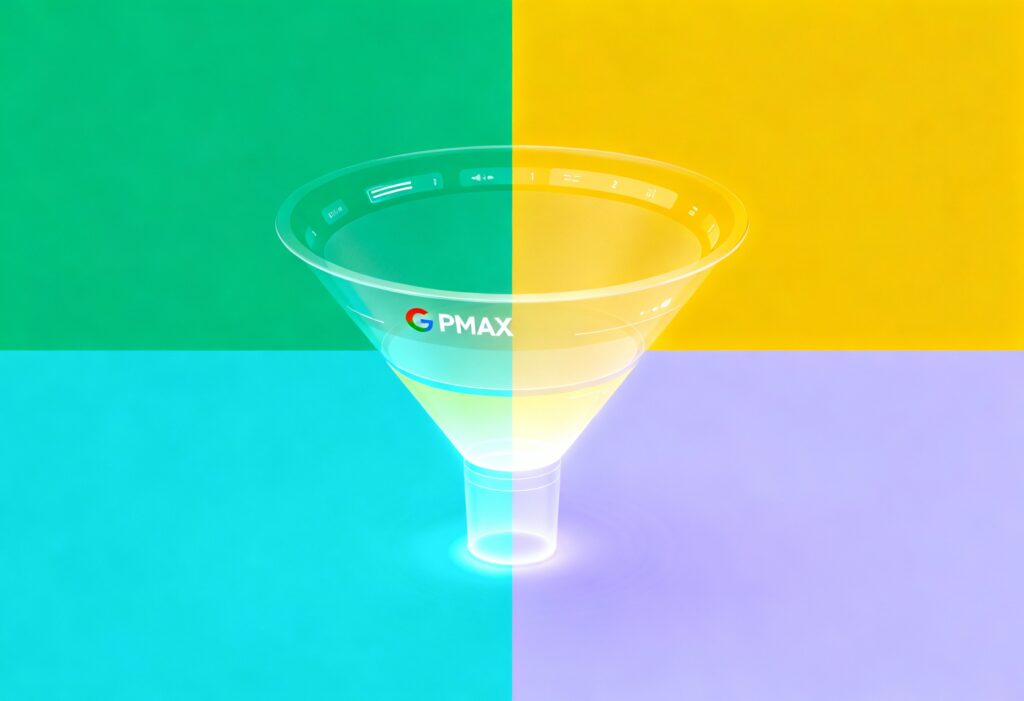
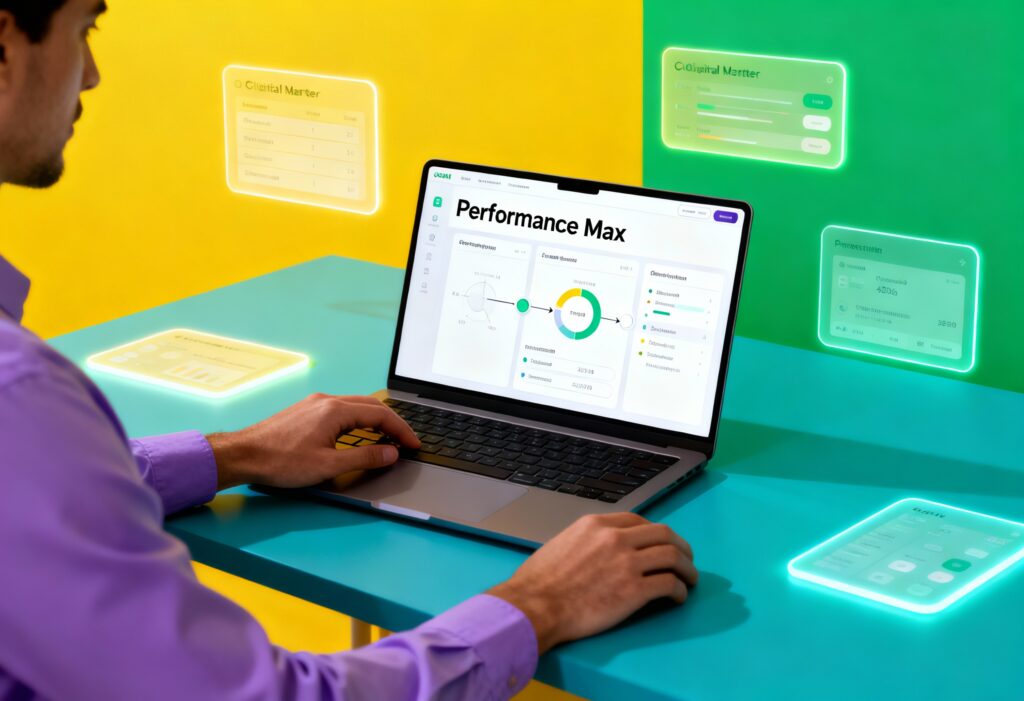
Google’s advertising platform continues to evolve, and one of its most significant developments is Performance Max. Designed to simplify paid search campaign management and make the most of Google’s vast network, Performance Max uses automation and machine learning to deliver Gads across all available placements, including Search, Display, YouTube, Discover, Gmail, and Maps.
By using automation and audience data, it helps you reach customers wherever they are in Google’s network. For businesses that want the highest ROI from ads campaigns, understanding how Performance Max works is key. So, here’s a useful guide to what PMax campaigns are, how they operate, what makes them powerful, and how you can use them to outperform competitors.
What Is A PMAX Campaign
A Performance Max campaign, often shortened to PMax, is a type of goal-based advertising campaign within Google Ads. Instead of creating separate campaigns for search, shopping, and display, a PMax campaign brings them all together.
This approach gives advertisers access to all of Google’s inventory from one campaign, using automation to optimise where ads appear and who sees them. You supply creative assets such as headlines, images, videos, and ad copy, and Google’s system combines these elements to create multiple ad variations. It then automatically tests and serves the combinations most likely to convert, based on your defined goals.
In other words, PMax campaigns remove much of the manual guesswork traditionally associated with PPC. They use Google’s audience signals and machine learning to find high-value users across channels.
For those asking What is a PMax campaign?, it is essentially Google’s attempt to create a fully integrated advertising solution that drives conversions more efficiently by unifying data and placements under one roof.
How Do Performance Max Campaigns Work
Performance Max brings automation and data together to decide where, when, and how your ads appear. The steps below show how the campaign runs from setup to optimisation.
1. Set Your Campaign Goal
Every PMax campaign begins with a clear objective. This could be online sales, lead generation, in-store visits, or website traffic. The system then aligns its optimisation to that goal.
2. Provide Your Creative Assets
You upload your assets such as text headlines, descriptions, images, videos, and logos. These assets form the building blocks for Google’s algorithm to create and test different ad combinations.
3. Define Audience Signals
Although Performance Max uses automation to find audiences, you can guide it using “audience signals.” These include custom segments, website visitors, or people who have interacted with your business before. This helps Google identify similar users more quickly.
4. Use Conversion Tracking
Google’s optimisation depends heavily on conversion data. Make sure tracking is set up correctly so the algorithm can learn which user behaviours drive results.
5. Machine Learning Takes Over
After launch, the campaign learns from every click and impression. Google’s system identifies which combinations of creative assets and audiences drive the highest returns, then automatically redirects more budget toward those areas, driving a cycle of ongoing improvement.
6. Ads Appear Across All Google Channels
Unlike traditional campaigns that limit where your ads show, Performance Max connects your brand with users across all of Google’s channels. Your ads might appear in search results, on YouTube videos, inside Gmail, or even within Google Maps. This flexibility and wide reach helps you stay visible to customers wherever they spend their time online.
Performance Max Ads Examples
It’s easiest to see the potential of Performance Max when you see how different types of businesses use it, so here are some examples of how retail, B2B, and services businesses put it to work.
Example 1: Luxury Online Retailer
A high-end fashion or homeware brand uses Performance Max to promote its latest collection. Instead of running separate campaigns for Search, Display, and YouTube, it uploads premium product imagery, video lookbooks, and lifestyle content into one campaign.
Google’s algorithm then places these ads in front of affluent shoppers who search for related designer products, watch fashion content on YouTube, or browse luxury lifestyle websites. Combining meaningful storytelling with strategic targeting keeps the retailer’s brand visible and relevant, helping customers move naturally from curiosity to purchase.
Example 2: B2B Business
A professional solutions provider turns to Performance Max to find businesses searching for expertise. The focus is on building trust and getting high quality leads with ad campaigns featuring whitepapers, testimonials, and data-driven insights.
Google’s automation identifies business decision-makers searching for solutions within the company’s niche and serves tailored ads across Search, Gmail, and YouTube. The result is a steady flow of leads and brand awareness across industries, helping the business build authority and generate high-value enquiries without manually managing multiple campaigns.
Example 3: Bespoke Travel Service
A boutique travel agency launches a Performance Max campaign designed to attract luxury travellers. Their creative assets include sweeping drone footage, glowing reviews, and photography that captures the essence of each destination.
The system identifies users who have shown interest in travel, adventure, or premium holidays, reaching them across Google Search, Maps, and YouTube. When someone searches for “private safari holidays” or “luxury European tours,” PMax automatically delivers the most relevant ad. The campaign not only drives direct enquiries but also nurtures future travellers through engaging content across the customer journey.
Integrating Performance Max With Other Marketing Channels
Performance Max works best as part of a broader marketing ecosystem rather than as a standalone solution. Its automation relies heavily on data, so combining it with other channels can amplify results and fill in performance gaps.
Combine PMax with SEO
Insights from Performance Max can strengthen your SEO strategy. For example, search term data and high-performing product segments can reveal valuable organic keyword opportunities. Reviewing this data alongside keyword research helps you identify which terms deserve content investment or optimisation on your website.
Sync with Email and CRM Campaigns
With Performance Max, you can use your CRM to reach customers who already know your brand. By adding in contact lists, Google can send relevant ads directly in front of these interested buyers, helping to encourage repeat engagement and loyalty.
Pair with Social Advertising
While PMax covers Google’s platforms, pairing it with social media campaigns extends visibility beyond Google’s ecosystem. Facebook, Instagram, and LinkedIn ads can target users at different stages of awareness, while Performance Max captures them again when they search or compare.
Integrating channels in this way helps build a seamless journey from awareness to conversion, ensuring no potential lead slips through the cracks.
Performance Max Reporting and Optimisation
Setting up a Performance Max campaign is designed to be fairly user-friendly, but the real skill lies in reading the data and knowing how to fine-tune performance over time.
Reporting Overview
The main dashboard displays conversions, cost per acquisition, click-through rate, and impressions across all channels. However, Google’s automation means you see less detail about which specific placements or keywords triggered conversions.
This limited visibility can be challenging for advertisers who prefer granular control. Still, Performance Max provides asset performance insights, a useful feature that shows you how each creative element is performing, helping to identify which headlines, descriptions, or visuals your audience is most responsive to.
Tips for Optimisation
- Feed Quality Matters – For e-commerce brands, a well-structured product feed with accurate titles, descriptions, and images improves ad relevance and visibility.
- Use Strong Audience Signals – Include data from remarketing lists, customer uploads, or similar audiences to guide the algorithm early.
- Create High-Quality Assets – Google automatically mixes and matches your creative elements. Providing clear, high-resolution visuals and strong ad copy ensures better combinations.
- Track Offline Conversions – For service or brick-and-mortar businesses, importing offline conversions can help refine the system’s understanding of valuable leads.
- Allow a Learning Period – Performance Max campaigns need time to collect enough data. Avoid frequent adjustments in the first few weeks, as this can reset optimisation.
Over time, continuous analysis and asset testing help refine the campaign and maintain strong results.
To learn more about analysing and improving campaign performance, read Yellowball’s detailed guide on PPC competitor analysis.
When to Transition to Performance Max (and When Not To)
While Performance Max offers broad reach and automation, timing your transition is crucial. Not every business is ready to adopt it immediately, and success depends on having the right data, structure, and creative assets in place.
When to Transition
- You Have Reliable Conversion Tracking: PMax depends on accurate data. If your tracking setup is robust, the algorithm can make smarter optimisation decisions.
- You Already Use Multiple Campaign Types: If you manage several Search, Display, or Shopping campaigns, consolidating under PMax can simplify management and improve performance consistency.
- You Have High-Quality Creative Assets: Visuals, videos, and clear ad copy give the system more to work with, improving ad relevance and reach.
- You Want Broader Reach Without Micromanaging: Businesses looking to scale quickly across Google’s networks benefit most from Performance Max’s automation.
When Not To Transition
- You Need Granular Control: PMax hides detailed placement data, so if you rely on manual keyword management, this may feel restrictive.
- You Lack Conversion Data: Without sufficient data, the algorithm struggles to optimise effectively. In this case, start with standard Search or Display campaigns to build history.
- You Do Not Have Enough Assets: If your business has limited visuals or ad copy, the campaign will have fewer combinations to test and may underperform.
Transitioning to Performance Max works best when your marketing ecosystem is already data-driven. Consider testing it alongside existing campaigns to compare results before moving your full budget.
Is Performance Max Right for Your Business?
Performance Max represents Google’s push toward automation, data integration, and performance-driven advertising. While it offers impressive potential, the key to success lies in understanding how to guide the system, interpret results, and refine assets.
At Yellowball, we help businesses of all sizes use Google Ads effectively, from traditional search campaigns to advanced strategies like PMax. Our approach is bespoke, shaped around each client’s objectives, audience, and budget. We have delivered measurable success for clients across diverse industries including finance, e-commerce, education, hospitality, and healthcare.
Whether you are looking to understand how your competitors are performing online, refine your PPC approach, or explore Performance Max campaigns for the first time, our experts can guide you every step of the way.
Visit our SEO and PPC resources for more insights or contact us about your project to get the ball rolling!