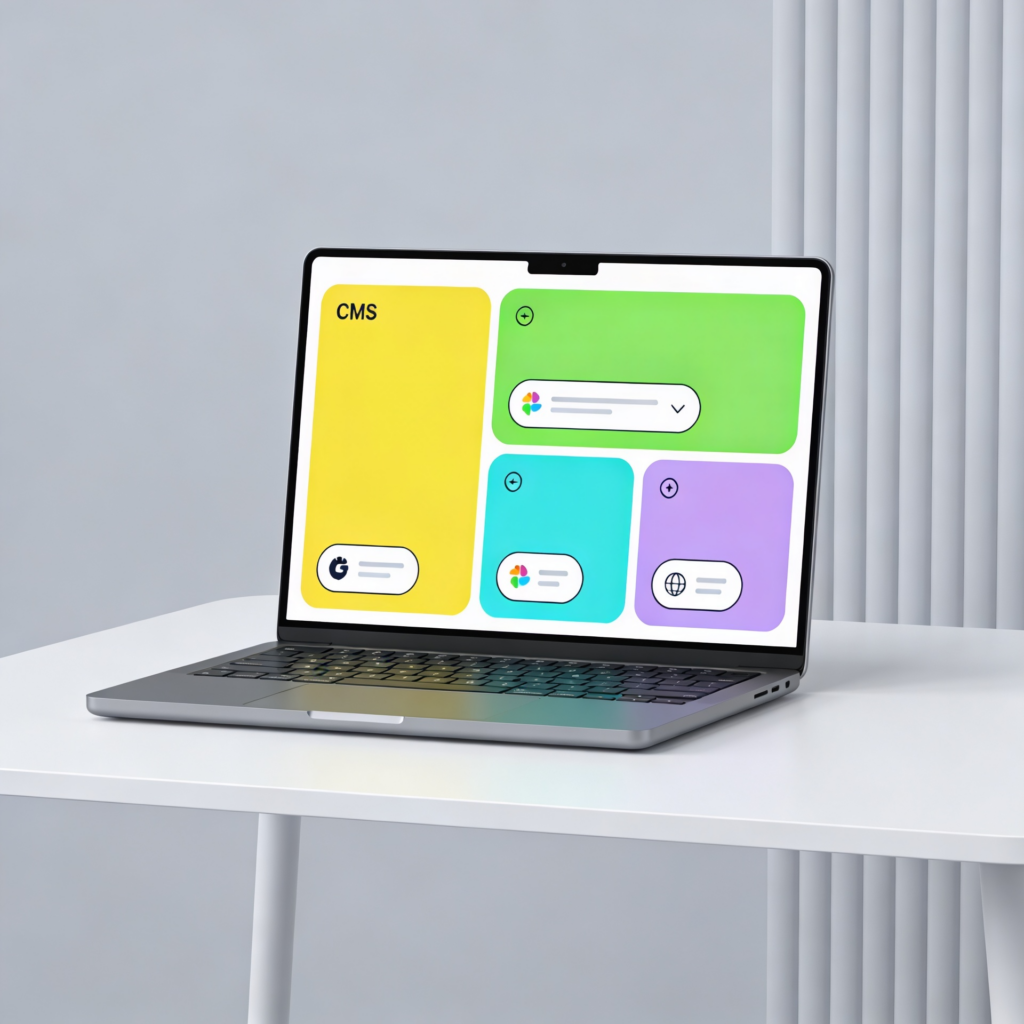
As marketing teams look to build or rebuild their websites in 2026, the choice of content management system (CMS) has become a pivotal decision. The CMS you choose will impact your content workflow, scalability, governance, integrations, SEO flexibility, publishing speed, and total cost of ownership for years to come.
Making the right CMS choice is critical, but it’s not always an easy decision. With so many options on the market, from WordPress and headless CMSs to custom platform builds, it can be overwhelming to know where to start.
In this guide, we’ll walk you through the key factors marketing teams need to consider when choosing a CMS in 2026. We’ll help you cut through the feature-list noise and focus on your team’s practical needs, so you can make a decision that supports your marketing goals now and in the future.
Why choosing the wrong CMS creates years of drag
The CMS you choose will be the foundation of your website for years to come. And a poor foundation can create major headaches down the line.
A CMS that doesn’t align with your team’s workflows, content governance needs, or growth plans can quickly become a source of frustration and lost productivity. You may find yourself fighting against the limitations of your platform, unable to publish content or make updates as quickly as you need to.
Integrating your CMS with other marketing tools can also be a challenge, forcing you to work with siloed data and workflows. And if your CMS isn’t SEO-friendly or lacks the flexibility to adapt to changing search engine algorithms, you could see your website’s visibility and traffic steadily decline over time.
The wrong CMS choice can also have significant financial implications. Platforms with heavy developer reliance, rigid licensing models, or unexpected feature limits can drive up your total cost of ownership in ways that aren’t immediately obvious.
The criteria marketing teams should use to choose a CMS
To avoid these pitfalls, marketing teams need to evaluate CMS options through the lens of their specific needs and goals. Here are the key criteria to consider:
Workflow, ownership, and flexibility
How well does the CMS align with your team’s existing content creation and publishing workflows? Can you easily manage permissions, approvals, and governance within the platform? And does the CMS provide the flexibility you need to adapt your workflows as your marketing needs evolve?
Scalability and growth
Can the CMS scale to support your website as its content and traffic grow? Or will you quickly run into platform limits that force expensive upgrades or custom development? Look for a CMS that can grow with your business without becoming a bottleneck.
SEO and integrations
How SEO-friendly is the CMS, both in terms of built-in features and the ability to customise for your needs? And can you easily integrate the CMS with your other marketing tools and data sources to create a cohesive tech stack?
Total cost of ownership
Beyond the initial platform costs, what is the long-term financial impact of the CMS? Factor in developer resource needs, licensing fees, hosting, and any unexpected feature limitations or upgrade costs.
WordPress vs. headless vs. platform builds
With these key criteria in mind, let’s take a closer look at the three main CMS options available to marketing teams in 2026: WordPress, headless CMSs, and custom platform builds.
WordPress remains a popular choice for marketing teams, thanks to its ease of use, huge plugin ecosystem, and strong SEO foundations. But WordPress’s monolithic architecture can make it challenging to scale, integrate, and customise as your marketing needs evolve.
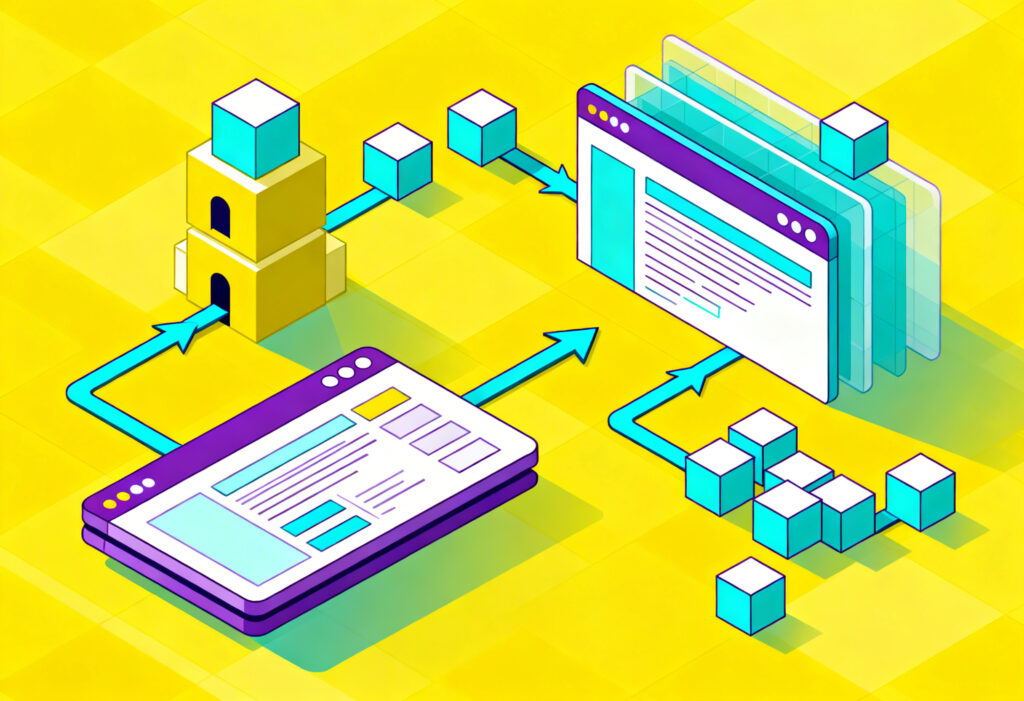
Headless CMSs, which decouple the content management and content delivery layers, offer more flexibility and scalability. This can be a great fit for marketing teams that need a highly customised, omnichannel content strategy. But headless CMSs also typically require more technical expertise to implement and maintain.
Custom platform builds give marketing teams the most control and flexibility, but at a higher upfront cost and ongoing development effort. This option is often best suited for enterprise-level organisations with significant in-house technical resources.
The questions to ask before you decide
When evaluating these different CMS options, there are a few key questions marketing teams should ask:
- How much control do we need over our content workflows and governance? A more flexible, headless approach may be better if you require complex approval processes or need to scale your content across multiple channels.
- What is our tolerance for technical complexity? Headless CMSs and custom builds will require more developer involvement, while WordPress offers a more plug-and-play experience.
- How much are we willing to invest upfront and over time? Custom builds have the highest initial costs, but may offer better long-term value. WordPress can be very cost-effective, but hidden licensing and upgrade fees can add up.
Answering these questions will help you narrow down which CMS option best matches your marketing team and goals.
Common CMS mistakes buyers regret later
As you go through the CMS selection process, it’s also important to avoid some common pitfalls that often lead to buyer’s remorse down the line:
- Focusing too much on features rather than practical needs. It’s easy to get caught up in comparing feature checklists, but the “best” CMS is the one that aligns with your actual workflows and goals.
- Underestimating the total cost of ownership. Don’t just look at the initial platform costs. Factor in hosting, integrations, training, and ongoing development resources.
- Choosing the most-used option rather than the best fit. Just because a CMS is popular doesn’t mean it’s the right choice for your specific marketing team.
- Failing to plan for growth and scalability. Make sure the CMS can grow with your website and marketing needs over time, not just meet your current requirements.
- Neglecting to account for technical skill gaps. Headless CMSs and custom builds require more technical expertise, so it’s essential to make sure you have the right resources in place.
Which CMS setups suit which business scenarios
To help you determine the best CMS fit for your organisation, let’s look at some common business scenarios and the CMS options that tend to work well in each case.
Small to mid-sized businesses with limited technical resources
WordPress is often the best choice, thanks to its user-friendly interface, vast plugin ecosystem, and lower development overhead.
Enterprise organisations with complex workflows and content governance needs
A headless CMS or a custom platform build may be the better fit, offering greater flexibility to customise content processes and scale across multiple channels.
Fast-growing companies that need a future-proof, highly flexible website
A headless CMS could be the ideal solution, as it decouples content from presentation and integrates easily with other marketing tools.
Businesses in highly competitive or rapidly evolving industries
A custom platform build may be worth the investment, as it gives you complete control over your website’s technical architecture and the ability to quickly adapt as your needs change.
A simple CMS decision framework
To summarise, here’s a simple framework to help guide your CMS selection process:
- Define your core marketing goals and website KPIs. This will help you prioritise the key CMS criteria that matter most to your team.
- Assess your team’s technical capabilities and tolerance for complexity. This will inform whether a more hands-off solution like WordPress or a more customizable option like a headless CMS is the better fit.
- Evaluate the total cost of ownership for each CMS option, accounting for both upfront and ongoing expenses.
- Consider how well each CMS can scale to support your future growth and changing marketing needs.
- Look for a CMS that seamlessly integrates with your other marketing tools and data sources.
By following this framework, you can make a strategic, well-informed CMS decision that sets your marketing team up for long-term success.
Work with the Leading Website Design Agency in the UK
When it comes to choosing the right CMS for your marketing team in 2026, the stakes are high. The platform you select will impact your content workflows, scalability, SEO, integrations, and total cost of ownership for years to come. That’s why it’s critical to make a strategic, well-informed decision.
At Yellowball, our experienced web development team can guide you through every step of the selection process. We’ll work closely with your marketing team to define your goals, assess your resources and constraints, and provide custom CMS recommendations tailored to your unique needs.
Whether you’re leaning towards WordPress, a headless CMS, or a fully custom platform build, we can help you evaluate the tradeoffs and make the best choice for your business. With our deep expertise across the CMS landscape, we’ll ensure you avoid common pitfalls and implement a solution that supports your marketing objectives both now and in the future.
Contact our team today and let’s get the ball rolling!