
Launching a website is a big win! After weeks or months of design, content, testing and approvals, you finally deliver a live product that looks incredible and performs like a sales machine. Then reality sets in. Updates pile up, messaging drifts, pages duplicate, and claims grow stale. Without simple rules, a site that once felt polished can start to look unmanaged.
Here’s how to stop that slide with pragmatic content governance for marketing teams. The goal is to treat governance as a growth system. When teams assign ownership, set review cycles, and control publishing, the website stays useful, credible and commercially sharp.
Why websites decay after launch
New websites are a lot like a beautifully cleaned home, and they get messy for similarly predictable reasons. Staff change roles or leave. Campaign pages multiply. Metadata goes missing. Internal links break when pages move. Content that once reflected current offers or data becomes outdated. Small errors accumulate. Those failures reduce trust and frustrate visitors. They also cost conversions and search visibility.
Common failure modes include duplicated pages that dilute authority, weak ownership that leaves no one accountable for updates, outdated claims that mislead customers, broken internal linking that erodes navigation, and mixed messaging that confuses buyers. These are symptoms of missing governance rather than problems with individual authors or the CMS.
When teams treat content maintenance as an afterthought, they create a growing refresh backlog and fuel content decay. A process that sets clear roles, review cycles, and publishing standards can reverse that trend and protect the investment you made at launch.
What content governance actually means in practice
Content governance for marketing teams is a set of simple, repeatable rules that define who owns each page, how often content is reviewed, what publishing standards apply, and how approvals flow through the CMS. It brings editorial governance into everyday practice so the site stays accurate, on-brand and optimised for performance.
Good governance focuses on four pillars
These four pillars turn vague policies into everyday habits that keep content accurate, on brand and commercially effective. Each pillar maps to concrete actions teams can take right away.
Ownership, standards, workflows, review cycles
- Ownership model. Assign a named owner to each page or content group. Owners can be a content lead, a product manager, a campaign owner, or a department head. This helps to create accountability and can prevent orphan content.
- Publishing standards. Define quality standards for tone, accuracy, metadata, imagery and calls to action. Keep the standards short and practical so they are easy to follow.
- CMS workflow and approvals. Configure CMS workflows to require appropriate approvals for publishing and major edits. Use version control and clear staging environments so changes do not go live without review.
- Review cycles. Set review cycles for different page types. Not every page needs the same frequency. A predictable cadence keeps content fresh and spreads the workload.
Treat these elements as a governance operating system where they all work together. Owners follow standards. Workflows enforce approvals. Review cycles trigger audits and updates. The result is steady content improvement rather than sporadic firefighting.
The simple governance model that mid-sized teams can run
Mid-sized marketing teams do not need complex committees or heavy processes. They need an ownership model that fits day-to-day reality and a lightweight review process that scales.
- Map content to owners. After running a content audit, create a simple spreadsheet that records the owner, last review date, and next review due date. Make updating this part of regular content work.
- Tier pages by commercial impact. Classify pages as high, medium or low impact. High-impact pages include product pages, landing pages, and pricing pages. Medium impact pages include blog articles that drive leads. Low-impact pages include legal copy and archived pages.
- Set review cycles by tier. High-impact pages get a 3 to 6-month review. Medium-impact pages get a 6- to 12-month review. Low-impact pages get reviewed annually or when triggered by a product change. This prevents a one-size-fits-all approach and helps with workload planning.
How to build a review and refresh rhythm
Consistency beats perfection. A repeatable review rhythm makes governance sustainable.
Core pages, campaign pages, and evergreen content
- Core pages. These include the homepage, product pages, pricing and contact pages. Review core pages at least quarterly for accuracy, messaging alignment and conversion friction. Check metadata, schema and internal links during each review.
- Campaign pages. Campaign and microsite pages often have short lifespans. Add a review date at creation. If a campaign page is still live after its expiry, the governance system should flag it for removal or repurposing. Ensure to redirect these types of pages if they are removed, so any link equity gained is not lost.
- Evergreen content. Blog posts, guides and resources can be powerful long-term traffic drivers. Audit evergreen content every 6 to 12 months. Update outdated data, refresh examples, and add new internal links to relevant new pages.
A practical review process looks like this:
- Owner receives a review reminder from the content maintenance plan calendar.
- Owner runs a short checklist: accuracy, claims supported by evidence, active offers and working internal links.
- Owner makes changes in a staging environment and routes the update through the CMS workflow for approvals.
- If change requires design or dev work, place it in the refresh backlog and prioritise with stakeholders.
- Update the review date metadata once the page is live.
What good publishing control looks like in the CMS
The CMS is where governance becomes practical. You do not need enterprise software to do publishing control well. You need consistent fields, controlled permissions and clear workflows.
- Ownership field. Add a page-level ownership field that records the owner and a fallback contact if possible.
- Review date metadata. Include fields for the last reviewed date and next review due. Surface these fields in content lists and reports.
- Controlled publishing roles. Limit publishing permissions. Allow content creators to draft, but you could require one or two approvers before pushing major changes live, if this works with your business.
- Approval workflows. Use a two-step approval for high-impact pages: content and commercial sign-off. Route both approvals through the CMS so every change is auditable.
- Link checking. Install automated link checking to detect broken internal links and report them to owners.
- Templates and components. Use templates that enforce metadata and CTA placement. Templates reduce the chance of missing schema or inconsistent structure.
When the CMS enforces publishing standards and approvals, governance becomes a built-in stage of the content lifecycle.
The governance checklist for marketing teams
Here is a focused checklist you can implement in the next 30 days.
- Assign owners to all pages and update the ownership model in the CMS.
- Classify pages by commercial impact and set review cycles accordingly.
- Create a refresh backlog and a process to triage items weekly.
- Add review date to CMS page templates.
- Limit publish rights and configure approval workflows for high-impact pages.
- Run an initial content audit to identify duplicates, outdated claims and broken internal links.
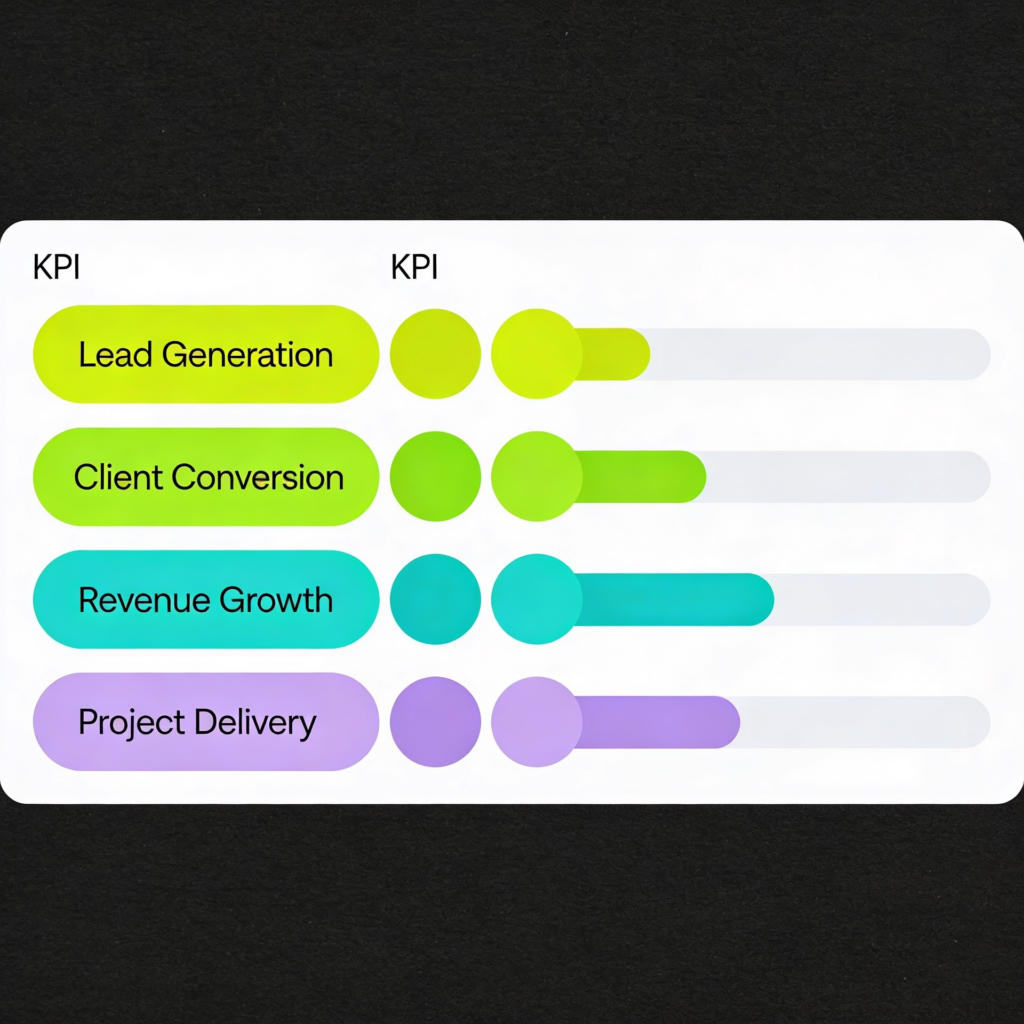
- Establish a simple reporting dashboard that could include metrics such as the percentage of pages with owners, the percentage of pages reviewed in the last 12 months, and open items in the refresh backlog.
- Train authors on publishing standards and the review checklist.
- Implement automated link checking and schedule monthly reports.
- Document the process in a one-page editorial governance guide accessible to the team.
This checklist balances immediate wins with actions that build long-term resilience.
Signs your site already has a governance problem
Catching issues early can help to maintain your site performance. These signs suggest governance needs attention.
- Duplicate or near-duplicate pages are competing for the same keywords. This undermines SEO and confuses visitors.
- Mixed messaging across product and marketing pages. Different teams using different value statements is a symptom of weak editorial governance.
- Broken or shallow internal linking that makes discovery hard. If visitors cannot move through a journey, conversions drop.
- Outdated claims or statistics on high-impact pages. This damages credibility.
- Pages without a named owner or with owners who are not responsive.
- A large, unmanaged refresh backlog with no prioritisation.
- Frequent hotfixes and urgent publishing requests that bypass approvals.
If you see these patterns, start with a content audit and assign short review cycles for high-impact pages.
The leading website design, maintenance & content agency in the UK
Content governance isn’t about creating time-consuming extra bureaucracy. It should be a practical growth system that keeps your website performing after launch.
At Yellowball, we design and develop boutique websites, as well as run web maintenance, SEO, PPC, and web governance that drive conversions, protect brand trust, and reduce long-term costs. We help teams map ownership, set review cycles, implement CMS workflows and run content audits that create a manageable refresh backlog.
Interested? Contact us and let’s get the ball rolling!